


Property & rental7 min read
Where can non-Qataris own property in Qatar?

Faysel Al-MohannadiLawyer admitted before the Court of Cassation · Reviewed on
Short answer
Non-Qataris can own property outright in ten listed areas, including The Pearl, Lusail, West Bay (Legtaifiya) and, since June 2026, the Simaisma Resort and Beach Project, and can hold 99-year usufruct rights in 16 more. Property worth QR730,000 or more can support a residence permit. Ownership passes only on registration with the Ministry of Justice.
Where can a non-Qatari own property outright?
Cabinet Decision No. 28 of 2020 lists the ownership areas in its Table 1. Cabinet Decision No. 21 of 2026, published in June 2026, replaced that table and added the Simaisma Resort and Beach Project, for ten entries in all.
| Area | Zone number |
|---|---|
| West Bay (Legtaifiya) | 66 |
| The Pearl | 66 |
| Al Khor Resort | 74 |
| Al Dafna (administrative area) | 60 |
| Al Dafna (administrative area) | 61 |
| Onaiza (administrative area) | 63 |
| Lusail | 69 |
| Al Kharaij | 69 |
| Jabal Thuaileb | 69 |
| Simaisma Resort and Beach Project (added 2026) | 70 |
Outside these areas, a non-Qatari may own a separate unit in a residential complex, or a separate office or shop in a commercial complex or mall, without changing its nature, shape or external appearance.
Permanent residency card holders follow the same rules. GCC citizens have their own, under Cabinet Decision No. 1 of 2025: up to three homes in residential areas, totalling no more than 3,000 square metres.
What is the difference between ownership and usufruct?
Ownership makes the property itself yours. Usufruct (حق الانتفاع) gives you the right to use and earn from a property for up to 99 years, renewable, in the areas in Table 2.
| Question | Ownership | Usufruct |
|---|---|---|
| How long | No time limit | Up to 99 years, renewable |
| Selling and leasing | The owner may sell and lease the property | The holder may transfer or lease the usufruct right |
| On death | Passes under the inheritance rules | Does not end on the holder's death and passes to the heirs, unless the parties agreed otherwise |
| Areas | Table 1: ten entries | Table 2: 16 zones |
The usufruct zones in Table 2 are Msheireb (13), Fereej Abdel Aziz (14), Doha Al Jadeeda (15), Al Ghanim Al Atiq (16), Al Rufaa and Al Hitmi Al Atiq (17), Slata (18), Fereej Bin Mahmoud (22 and 23), Rawdat Al Khail (24), Al Mansoura and Fereej Bin Dirham (25), Najma (26), Umm Ghuwailina (27), Al Khulaifat (28), Al Sadd (38), Al Mirqab Al Jadeed and Fereej Al Nasr (39) and the Doha International Airport area (48). The 2026 decision did not change this table.
Does buying property give you residency in Qatar?
It can. Law No. 21 of 2015 on expatriates' residence allows a residence permit without a sponsor for property owners and usufruct holders, and Cabinet Decision No. 28 of 2020 sets the minimum value.
| Value of the property or usufruct right | What the decision provides |
|---|---|
| QR730,000 or more | A residence permit for the owner or usufruct holder |
| QR3,650,000 or more | Residence, plus the healthcare, education and investment privileges of permanent residency card holders |
- You must spend at least 90 days a year in Qatar, in one stretch or several.
- Value is the market value approved by the Ministry of Justice's Real Estate Registration Department.
- The permit lasts five years and renews automatically, once the set fees are paid, for as long as you own or hold the right.
- Your spouse, children and parents can be granted residence without needing a job.
- The permit is cancelled if the ownership or usufruct passes to someone else.
The 2026 decision did not change these thresholds. Before you buy, check the current procedure with the Real Estate Regulatory Authority (Aqarat) and the Ministry of Interior.
How is the purchase registered?
Ownership passes, between the parties and against everyone else, only on registration. Until then, the contract creates only personal obligations. The Ministry of Justice's Real Estate Registration Department registers ownership and usufruct for non-Qataris.
Confirm that the property is in a Table 1 or Table 2 area, or is a separate unit in a residential or commercial complex.
Ask for the title deed or register page, the only proof of title to registered property, and check for rights such as a mortgage.
Sign a contract naming both parties, the property and the price, and recording that you inspected the property and accept it as it is.
If the seller acts through an agent, check the power of attorney. It must be specific and express about selling.
Apply to the Real Estate Registration Department at one of its offices or on its digital platform. Transfers of ownership need your identity verified.
Pay the registration fee. If the contract price differs from market value, the Department may assess the value for fee purposes.
Collect the title deed. It is issued in Arabic, and can be issued in another language on request.
What should you check before buying off-plan?
Law No. 6 of 2014 on real estate development, as amended by Law No. 5 of 2023, governs off-plan sales. Aqarat licenses developers and approves each off-plan sale.
- The developer is licensed, and the project has Aqarat's off-plan approval, shown in the advert with the escrow account number and bank.
- You pay every instalment into the project's escrow account. Payment made directly to the developer or its representatives does not count.
- Your purchase is entered in the Ministry of Justice's preliminary real estate register, with a preliminary title deed. An unregistered sale creates only personal obligations.
- The plan is approved. A sale of units on an unapproved plan is void.
- If the unit's actual area on handover is smaller than contracted, the price is reduced in proportion, at the price per metre in the preliminary register.
- The developer must register completed units in the names of buyers who have met their contractual obligations within 60 days of the building completion certificate.
Disputes go to the Real Estate Development Disputes Committee, which decides urgently. Its decisions can be appealed to the Court of Appeal within 15 days. Cabinet Decision No. 26 of 2025 formed three such committees at the Ministry of Municipality.
What restrictions do buyers often miss?
- Vacant land: you must finish building within four years of registration, extendable by up to the same period for good reason. Otherwise the Non-Qatari Ownership Committee, now part of Aqarat, may sell the land and pay you its price at the time of sale. You cannot sell the land before the building is complete.
- Inheritance outside the ownership areas: property outside the Table 1 areas that you inherit or receive by will must be transferred to a Qatari within two years, which can be extended. You may keep one home of up to 3,000 square metres if you live in Qatar continuously.
- Residence and work: an owner's residence permit does not allow work without a separate permit.
When should you speak to a lawyer?
Legal advice may help when:
- You are about to sign an off-plan contract or pay a large sum up front.
- The property is outside the listed areas, or you are unsure it is a registered separate unit.
- You are buying through a company, by power of attorney, or jointly with others.
- You have inherited property, and the two-year period is running.
- You own vacant land, and the building deadline is approaching.
- The developer is late, or the area or specifications differ from the contract.
- Your residence application was refused or delayed although you believe you qualify.
What the law says
Based on Law No. 16 of 2018 on non-Qatari ownership and use of real estate, as amended by Law No. 1 of 2025, and Cabinet Decision No. 28 of 2020 as amended by Decision No. 21 of 2026 (Articles 2 to 9 and both tables). Residency follows Articles 30 to 33 of Law No. 21 of 2015 on expatriates' entry, exit and residence. Registration and off-plan sales follow Law No. 5 of 2024 on real estate registration and Law No. 6 of 2014 on real estate development, as amended by Law No. 5 of 2023. Texts checked on Al Meezan on 18 October 2026.
Read on Al MeezanQuestions people ask
No. Ownership is limited to the Table 1 areas and usufruct to the Table 2 areas. Outside them, a non-Qatari may own only a separate unit in a residential complex, or an office or shop in a commercial complex.
No. Law No. 16 of 2018 says a non-Qatari's usufruct right does not end on their death and passes to the heirs, unless the parties agreed otherwise.
Yes. Owners may lease their property and usufruct holders may lease their right. The lease then falls under the leasing law, including the duty to register it.
The law allows residence for the permit holder's spouse, children and parents without a job requirement, as long as the owner spends at least 90 days a year in Qatar.
This guide is general information about Qatari law, not advice on your case.
Guides on this
All guides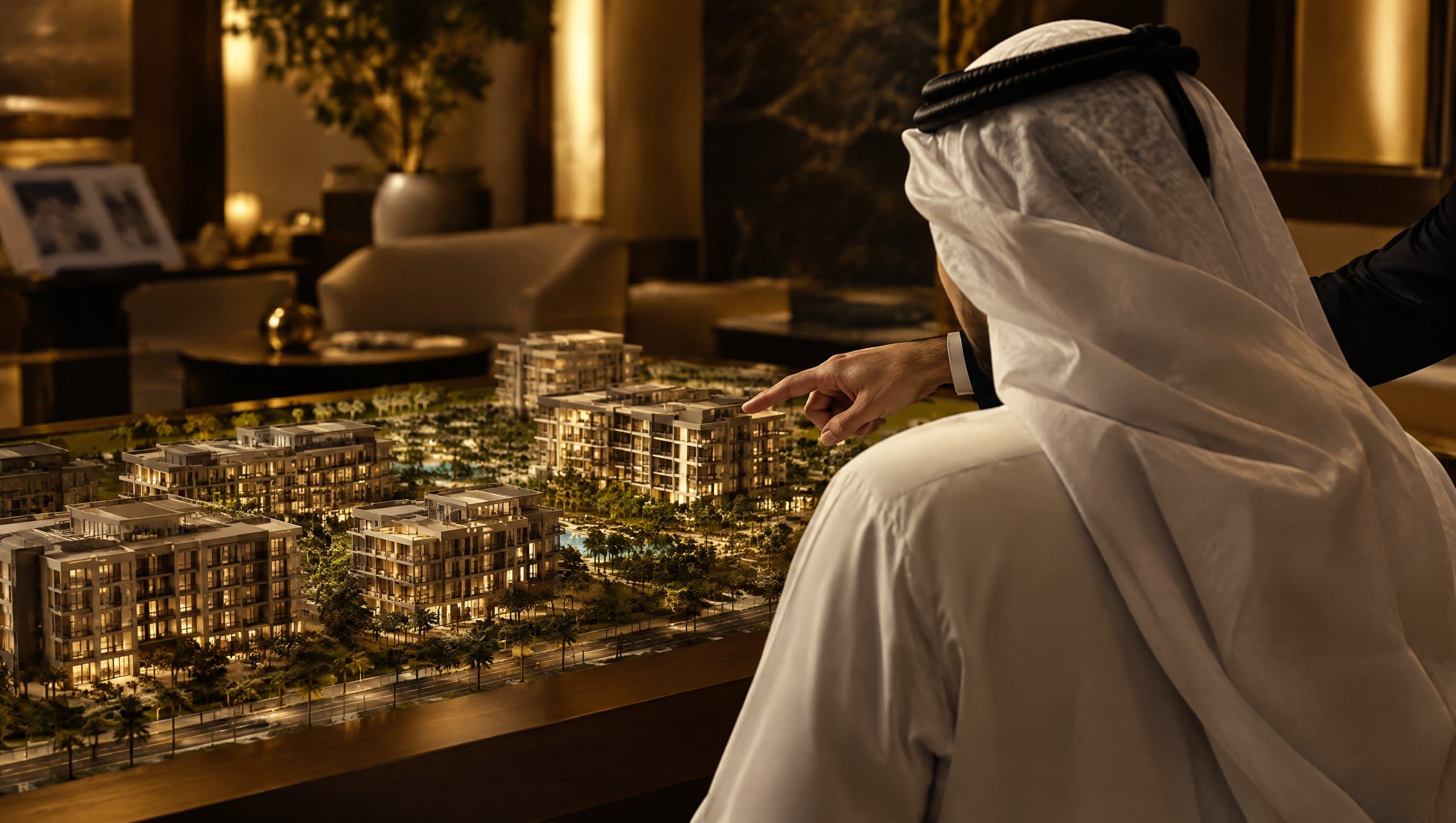 Property & rentalBuying off-plan property in Qatar: protections and risksLaw No. 6 of 2014 on real estate development, amended in 2023, governs off-plan sales in Qatar, and Aqarat, the real estate regulator, licenses developers and approves each project. Buyers pay into a bank escrow account that the developer can draw on only as construction progresses, and each sale is entered in the Ministry of Justice's preliminary register.
7 min read
 Property & rentalCan my landlord increase the rent in Qatar?Not on their own. Article 10 of Qatar's lease law, as the Court of Cassation has applied it, allows an increase only by agreement or under a Council of Ministers decision, and no published decision has covered homes since February 2010. At renewal the rent can be renegotiated, but without a timely objection the lease renews unchanged.
7 min read
 Property & rentalEviction and security deposits in Qatar: what landlords and tenants can doIn Qatar, a landlord seeks eviction through the Rental Disputes Settlement Committee. During the lease, Article 19 of Law No. 4 of 2008 lists eight grounds, such as unpaid rent or the landlord's own use, and two need six months' notice. A residential deposit cannot exceed two months' rent, and a withheld deposit is claimed before the same committee.
7 min read
Ask about your situation
Before you sign a purchase contract or pay the first instalment, you can ask us where you stand.